Politics

The Coward Who Sought Middle Ground

Once upon a time, there was a society which had normal problems. Its fault-lines were apparent, and they never went away; sometimes, people would grow apart, and at other times, they would come together. There were several divisions: rich and poor, educated and uneducated, forward caste and backward caste, employed and unemployed, male and female, capitalists and socialists.

This society, like many others, was subject to empirical laws that governed most other realms. People carried a variety of opinions on every single issue, usually forming a spectrum. There were few people at the extremes - visionaries and lunatics - but a vast majority didn't hold such radical views. The distribution of their opinions on any particular topic (agreement-disagreement plotted on the X-axis) formed a typical bell-curve.
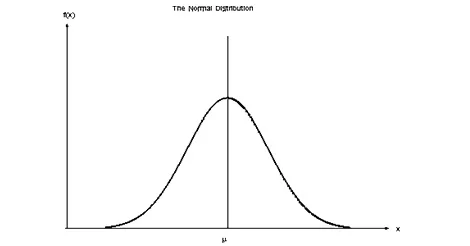
With the passage of time, and the advent of magazines and social media, these opinions became louder and larger in number. It then became possible to gain not only fame but also wealth through neatly phrased sentences, which mimicked an ideology. At this stage, the curve became "taller" (it grew in amplitude) but did not change its shape.

Soon, when the noise of opinions was deafening, it became important to stand apart from the crowd to be heard. Extreme positions, bordering on the illogical, were incentivised. Magazines were willing to pay for extreme rights and savage lefts. There was less interest in the middle; after all, it was mainstream.

So the distribution was changed.
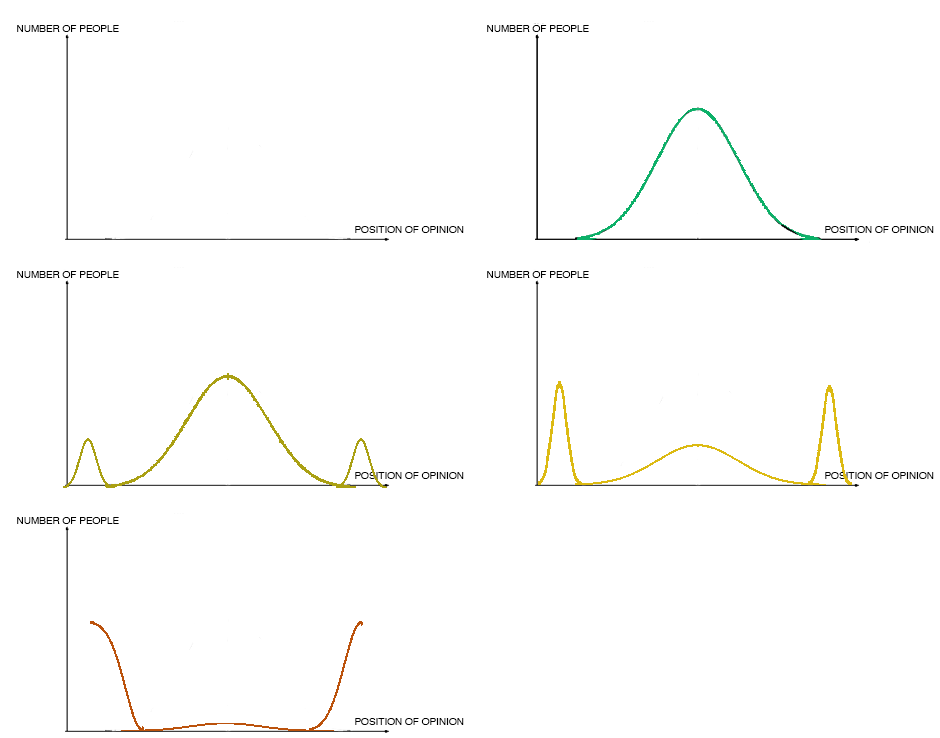
More people were drawn away from the middle, towards the extremes. Soon, the convergence of opinions - a consensus - was no longer an outcome of discussion; it was an anomaly. The bell curve was ripped apart, and the extremes grew in power. People in the middle were now left without support.

When such blocks of opinions were formed, with seemingly no angle of reconciliation, people were incentivised to join these blocks. It became impossible to stand one's ground in the middle; neither was it safe, nor was it brave. The loud voices on the brink became crusaders of change; they existed on either side. The middle was for the weak.
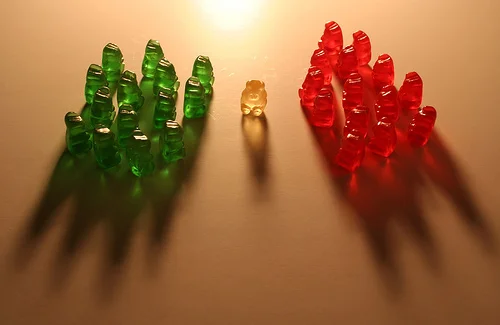
The bell curve lies inverted. Compromise is an ugly word. No moderate ever got many Facebook likes.
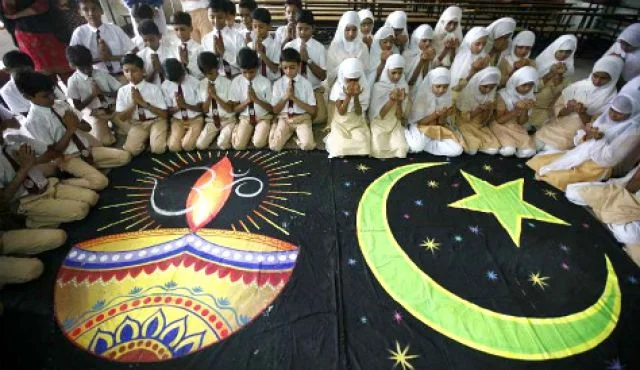
Is India Hindu or Muslim?

Kumbalgarh, Rajasthan: This proud legacy of the Mewar Rajputs - once the stronghold of Maharana Pratap - earned its fame through conflict. The evil Mughal emperor attacked; the noble king defended his people from destruction. Rana Pratap protected his women and children from loot and rape. He perished in the course of this great struggle, but not before enshrining himself forever in Indian folklore.

Srinagar, Kashmir: Here, there is a majestic fort atop a lone hill popularly known as Hari Parbat. According to legend, the mountain is an oversized pebble which was thrown by Goddess Shakti to slay a demon who terrorised the people. Or so the Hindus tell you. According to the Muslims, there is no Hari Parbat; there is only Koh-e-Maran, and a fort that Akbar built.

Patna, Bihar: As India took on Pakistan in a high-octane clash in the 2011 World Cup - the match was happening in Mohali - an entire mohalla was draped in green with Pakistani crescents. People cheered when Sachin fell; they prayed for Misbah to take them home. Neither of those things happened. India won that game.

Ayodhya, Uttar Pradesh: People from all around the country were mobilised with minimal effort to destroy a historic mosque in Ram Janmabhoomi, so that Ram's empire of dharma could be reestablished. Thousands died; the place - even after being split in three parts - remains in dispute.

UNITY IN DIVERSITY

A man was killed for eating beef. The matter has been thoroughly minced by the Media. "India has become intolerant" under Narendra Modi, they say. News articles proclaim that saffron terror is on the rise. "We are a culture of diversity and debate" is our fall-back line. When all else fails, we will repeat this line, like a broken tape recorder, and hope to feel better.

It is untrue that our country is proud of its unity in diversity. That is a line written for fifth grade Social Sciences textbooks. We are a country of peace, but we don't know what diversity means. Since we didn't have to understand diversity all these years, it did not matter. We all lived in our comfortable little niches, interacting with people similar to us, never venturing too far from home.

Diversity necessitates the existence of dissent. One cannot be different if expected to conform to a majority; there will always be a majority, no matter how small the sample-space. There are as many Indias as there are stories in our country. Each narrative gives us a different picture, and each of these is as true (or as false) as the other.

Can Maharana Pratap be elevated to his Godlike status without vilifying the Mughals? Can we simultaneously celebrate Chhatrapati Shivaji and Aurangzeb? How can Ramjanmabhoomi coexist with Babri Masjid, when they debatably occupy the same spatial coordinates? We are often forced to choose narratives, and therefore forced to choose a particular India.

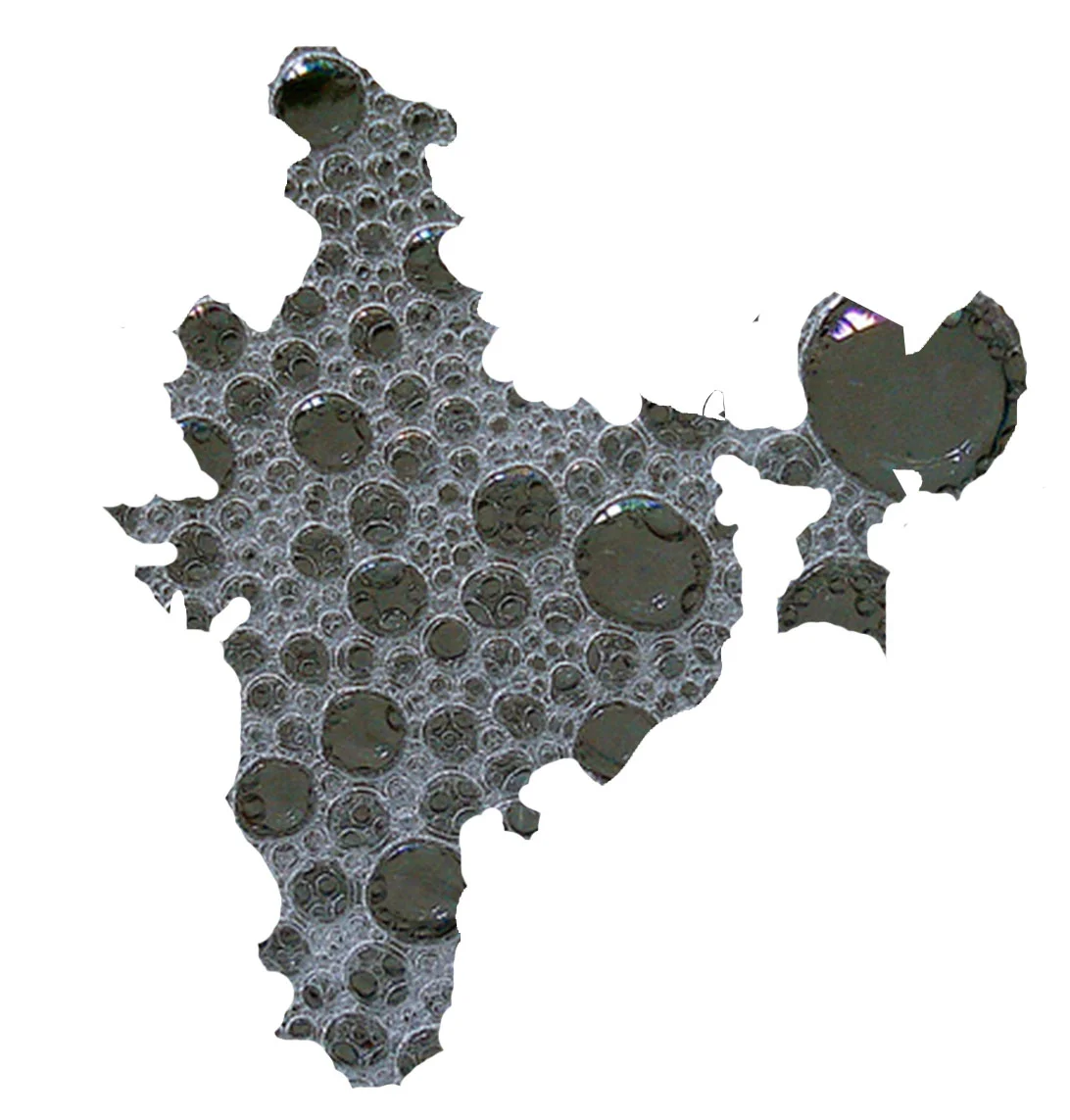
INDIA IS LIKE BUBBLES

We were, until recently, invisible to each other. We all had our little comfortable bubble, which encompassed our world. Everything we needed was within. Faced with globalisation - national integration is a small step in the grander scheme - we are forced to look outside our bubbles.

Of course, it doesn't please us. If it pleased us, we'd have ventured out a long time ago. Over time, some bubbles will coalesce and become super-bubbles. Super-bubbles will throw their weight around, for a while, until there are many such super-bubbles.

Ultimately, there is only one bubble, and that is the world. In my vision of such a mega-super-bubble, it is a place where people thrive on dissimilarities. Our ideas of liberals and conservatives are far too narrow to enter such a world. But I think we will get there.

Citations:

Picture of children praying for peace between Hindus and Muslims in India "http://www.haaretz.com/"