
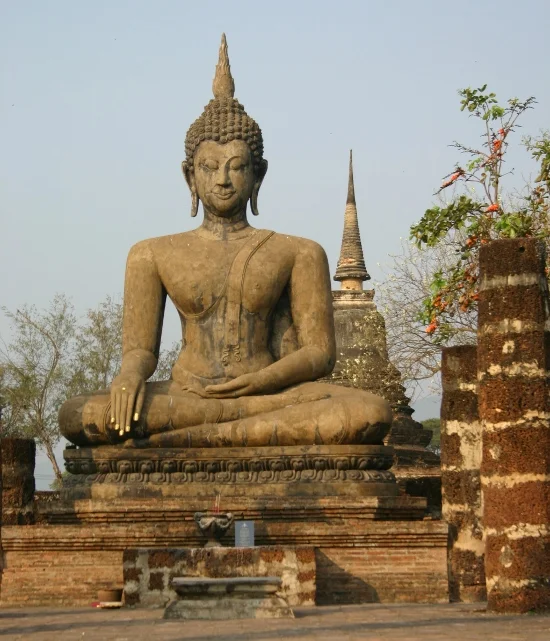
The most common Thai depiction of the Buddha, in statues and art that I came across on tourist-trails, is called 'Subduing Mara'. The Buddha is shown with his left hand in his lap, palm facing upwards and his right hand on his knee. The fingers of his right hand touch the ground, to summon Earth as his witness as he defies Mara and achieves enlightenment.
Parties, strip-clubs and ping-pong shows of Thailand lie casually in front of these portrayals, as acts of iconoclastic humour. Thailand's famous locales are stocked paradoxically with symbols of self-denial and methods to satiate a variety of human desires.
'Mara', the demon of desire - etymologically deriving from the Proto-Indo-European root 'mer' (meaning: to die) - is simultaneously being defied and embraced. The question, however, is whether these - renouncement and indulgence - are philosophies belonging to different ages, or eternal contradictory truths. In order to understand the changing rationale, in the former case, it is helpful to sift through human perception of both hedonism and austerity over the centuries. Have they always coexisted? Did one prevail at the cost of the other? Has there been an irreversible change in perception? Could this be a cyclic process?
South East Asia
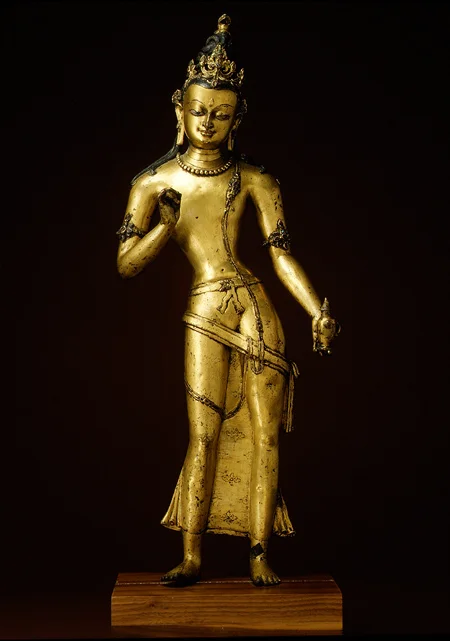
The Buddha's depiction in art is a useful place to begin understanding the changing perceptions of indulgence and sensuality in Thai-history. During the Dvaravati period, between the seventh and eleventh centuries, the Buddha is seen in the Tribhanga posture. This leaning position is considered one of the most sensual of classical-dance postures. Probably deriving from Krishna-portrayals in Gupta and Amravati artwork, these forms which are oppositely curved at the waist and neck are indicative of a cultural mindset.
Interestingly, the Tribhanga form is almost entirely supplanted by the seated Buddha (including the Subduing Mara posture) in the succeeding centuries. Even the Buddha's expression becomes more serene over time, elevating him further in the eyes of his followers - perhaps removing even the last vestiges of temptation.
Today, Thai society is oversimplified as the result of Western lenses. Although it is accepting in several ways (including its famous acceptance of trans "ladyboys"), several traditional schools of thought still underline the importance of discipline and renouncement.
India
Cārvāka (Sanskrit: चार्वाक) is the ancient school of Indian materialism. Ajita Kesakambali, a contemporary of the Buddha and Mahavira, laid the foundations of this disruptive philosophy which denies the existence of an eternal soul. He spoke of here and now: no God, no samsara, no karma, no fruits of merit, no sin.
While the philosophy is of unknown provenance, it can be traced back to the Vedic period with considerable development in post-Vedic discussions. Most major documented theses and rebuttals date back to the sixth century, when it emerged as an alternative to Astika schools.
Even though the school lasted at least a millennium, it must be noted that most modern understanding of the philosophy is through criticisms present in mainstream works, and not from the Cārvāka fountainheads themselves.
Cārvāka remained an alternative philosophy throughout its brilliant, limited life. It did not enjoy significant patronage from kings and leaders, and endured only on the fringes of civilization. Maybe it is difficult to govern people who succumb to individualistic urges, who don't believe in a greater and common good. Is it easier to control humans who believe in karma, in a merit system and in an after life?
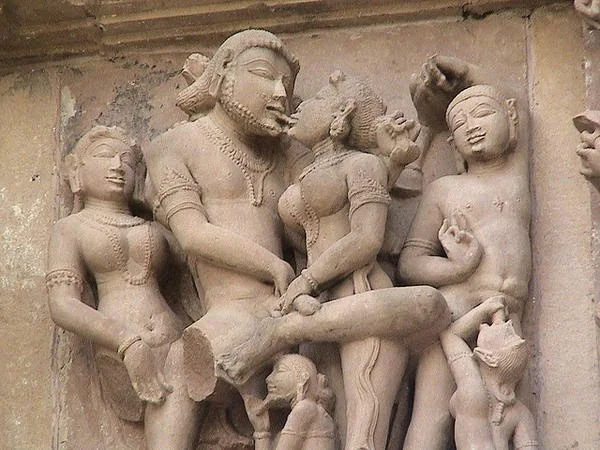
The philosophy faded out eventually, especially after the introduction of Islam by invaders, during the burgeoning Mughal empire. Another open and famous depiction of sex, music, arts and other earthly pleasures - the temples of Khajuraho - also faced destruction by Islamic invaders, including Mahmud of Ghazni.
It is only today, after globalization and the internet, that Cārvāka's lost threads of thought have resurfaced, leaving several self-important right-wing elements red-faced and other self-styled nationalists shouting "Indians discovered hedonism".
Arabia and the Levant
Pursuits of pleasure, historically, has been rife with inequality, even slavery. The subversion of hedonistic thought therefore lies in the presupposition that achievement of pleasure necessitates one-upmanship. In other words, the affluent achieve their soaring highs only by crushing a fellow human being, and not otherwise.
Moses's great exodus ended Ramses's policies of excesses. The Old Testament extols the virtues of moderation and equality, and demonizes the Pharaoh of Egypt. Even today, in Egypt and the Middle East, the word 'Phiraoun' is used to denote evil and injustice.
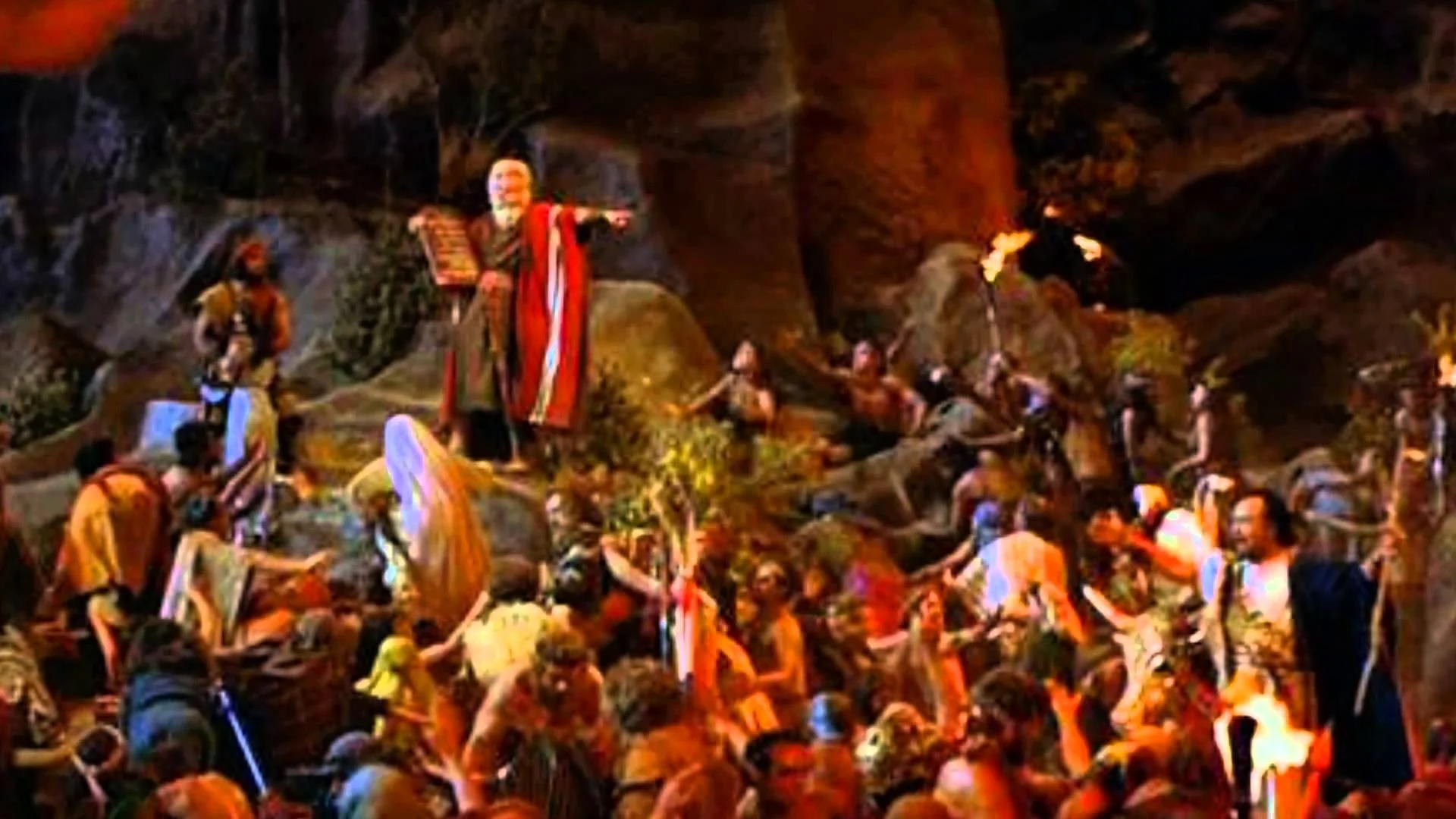
It may be argued that the people of the book wrote their version of history, vilifying their oppressors, but the story of Hedonism does not end there. Upon reaching Mount Sinai, the story unfolds as an iconic scene about Moses - who has just received the Ten Commandments - and the golden calf, wherein he destroys the vulgar symbol and castigates (and perhaps, kills) his followers, including Aaron.
Similarly, Prophet Muhammad's rebellion against the Quraysh laid out the fundamental tenets of Islam. It embraces equality, urges redistribution of wealth, and denotes alcohol, drugs and several aspects of sexuality as haram.
“O you who believe! Intoxicants, gambling, al-ansaab, and al-azlaam (arrows for seeking luck or decision) are an abomination of Shaytaan’s (Satan’s) handiwork. So avoid that in order that you may be successful.”
Is it because human nature is deeply opposed to unnatural concepts such as self-denial, societal welfare and equality that the Quran was made an immutable document? Maybe the only way to rein-in human extravagance is through an unchangeable fiat and subsequent force.
Persia
The Persian story is old, continuous and convoluted. The perception of indulgence however is most remarkable in its recent stories, after oil was discovered in this land of layered identity.
It must be remembered that Iran was once a land of great Sassanian prosperity, wherein arts, crafts and literature flourished. Royal pass-times such as polo were a regular feature, and some of the best music of the time was composed. Persian cultural influence extended as far as Rome, Western Europe, India, China and Africa, when Umar ripped through the country (640s A.D.) with his Muslim invaders. While the empire fell, the unique Sassanian aristocratic culture transformed the conquest and destruction of Iran into a Persian Renaissance.
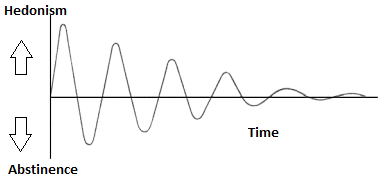
A decadent and ineffective rule of excess was replaced by an efficient but intolerant ruler. Subsequently, a middle ground was reached where Islam became the dominant belief without compromising on some of Persia's essential cultural practices. The pendulum swung one way but its amplitude was dampened.
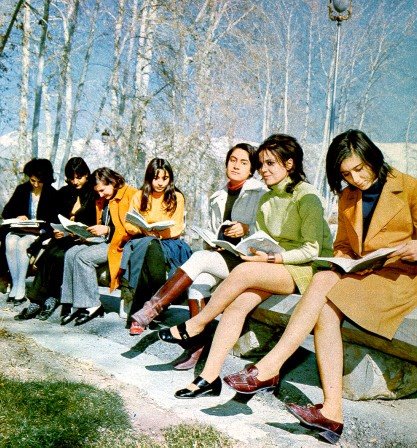
In more recent times, during the reign of Shah Reza Pahlavi - a Western puppet, Iran saw the rise of western amenities and influence - suits and skirts, telephones, alcohol, and chairs in mosques (so that the devout didn't have to kneel on a carpeted floor). Tensions mounted among the people, until he was replaced by his son - another puppet - during World War II.
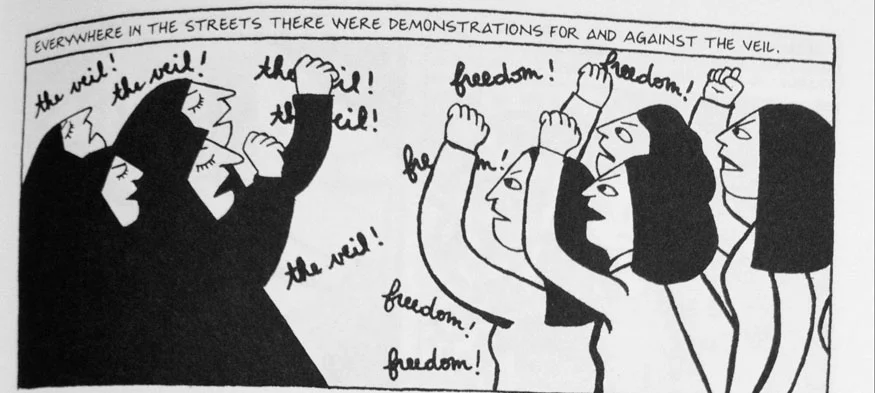
The new king, Mohammed Reza Pahlavi, mainly a person of convenience to Britain and the USA to satiate their Oil-dominance of the world, continued with policies of Western liberation. Finally, in 1979, this culminated in massive support for the Islamic Revolution. Iran's rapidly modernizing, capitalistic economy was replaced by populist and Islamic economic and cultural policies. In a strange exercise of freedom, the masses chose restraint over excesses.
(The repercussions of the revolution and the change of public sentiment during the Khomeini-period make for another discussion.)
Europe
Thanks to the Hollywood archetypes of ancient Greece and Rome, we know them today to be lands of great imagination, philosophy, brimming glasses of wine, orgies and Utopian triumphs of human will. "300" shows a patriotic and free Hellenic world threatened by a demonic and oppressive Eastern race. Allowing for artistic exaggeration, and Hollywood's tendency to cater to Western sentiment, it can still be seen that these places - with their philandering, whimsical and drunk Gods - allowed for excesses and even glorified them.
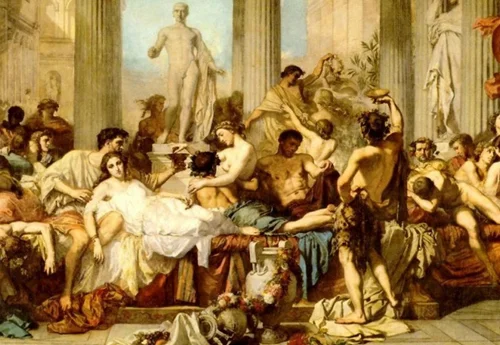
The Viking age, 700-1100 A.D., was a time of struggle- to be the fittest. War, women and wine were common thirsts uniting the various peoples of the continent. Here in Europe, hedonism was synonymous with brutality - and it couldn't exist otherwise.
It is not surprising that the Holy Roman Emperor and the Church became necessities to control these civilizations. The Church moved rapidly westward, riding its strengths of homogeneity, political backing and monasticism. Monasticism is not mandated as an institution in scriptures; it gradually developed into and became guided by the counsels of perfection: chastity, poverty and obedience.
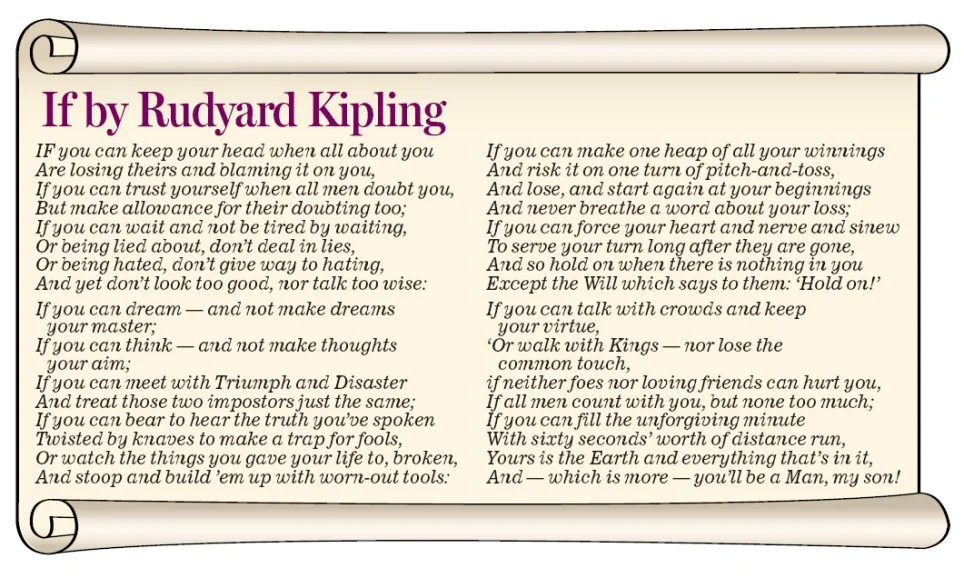
Victorian era stoicism (rooted in the counsels of perfection?)
Abrahamic monotheism united remarkably fragmented societies, through the sword as well as the mind, and made Abstinence a virtuous commodity. The faith descended into the crusades in the high and late middle ages, during which time Inquisitions also took place. The tool which aimed to provide structure killed and burnt dissidents to further its goal.
Against the backdrop of these times and an ensuing darkness (1200-1400 A.D.) began the Renaissance or rebirth. The great explorers - starting with Columbus, painters - later re-branded as the Ninja Turtles, and post-enlightenment thinkers - Kant, Francis Bacon, Newton, Voltaire etc. recorded their influences on human progress. Various forms of scepticism emerged, ranging from liberalism and anti-clericalism to Dechristianization.
In the coming centuries, various systems of the Church came to be seen in the mainstream - one after another - as tools of oppression, and many of these were gradually peeled off. Indulgence became a human right - as critical to progress as independent thought, and methods to curtail these became viewed unfavourably. With the rise of capitalism, the pursuit of individual pleasure is a commonly accepted path and destination. Nietzsche became a pop-star while Tolstoy is still seen as a man who spoke difficult words of wisdom.
“... the childish originality of Nietzsche’s half-crazed thought, presenting nothing complete and coherent, was accepted by leading figures as the final word in philosophical science. In reply to the question: what must we do? the answer is now put straightforwardly as: live as you like, without paying attention to the lives of others”
The pendulum has swung periodically in the past, and across different parts of the world. Now, in this globalized age, there must be some common time-period for its oscillation. But has it been dampened over the ages? Is the swing now shorter? Is it quicker? Can the scientific method dampen this oscillation until a final steady-state can almost be reached? With time, we will learn more, and perhaps even find answers.
But until then: what must we do?